Beyond RGB Tristimulus: Continuous 6500K Solar Illuminant Simulation
Why three arbitrary RGB primaries inevitably fail physical light transport, and how 81-channel spectral power distributions solve metamerism.

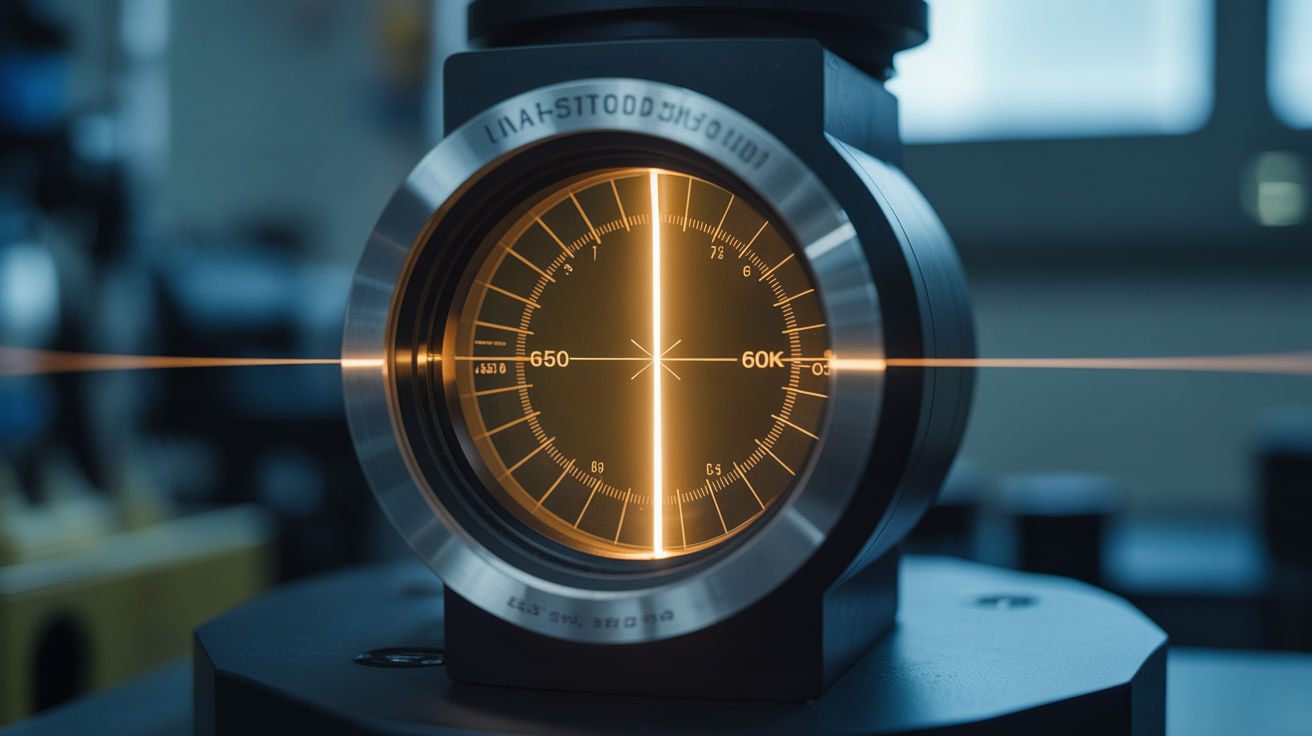
For over three decades, computer graphics has relied on a foundational compromise: tristimulus RGB color spaces. By reducing the infinite-dimensional continuous spectrum of light into three arbitrary scalar values—Red, Green, and Blue—renderers sacrificed the physical reality of electromagnetic wave transport.
While RGB is sufficient for display output on liquid crystal or organic LED screens, it breaks down fundamentally inside light transport simulation.
The Metameric Failure of Tristimulus
In physical optics, two light beams that appear identical to human eyes under one illuminant can reflect entirely different colors under another. This phenomenon is known as metamerism.
When a renderer collapses light into RGB before computing material interactions:
- Prism Rainbow Splitting is Impossible: Because a single RGB ray cannot divide into its constituent wavelengths without ad-hoc fake shaders.
- Absorption Bands Disappear: Atmospheric Fraunhofer lines (the distinct dark absorption bands caused by solar oxygen and hydrogen) cannot be evaluated.
- Fluorescence and Quantum Yield are Distorted: Energy transfer across wavelengths cannot be represented by a 3x3 matrix multiplication.
The Solis 81-Band Continuous Formulation
Solis replaces RGB vectors with an 81-element energy vector representing irradiance in 5nm bins across the 380nm–780nm human photopic window:
export interface SpectralPowerDistribution {
  minWavelength: 380;
  maxWavelength: 780;
  step: 5; // nm
  radiance: Float32Array; // 81 bins
}
By computing light transport across all 81 bins simultaneously within modern SIMD GPU registers, Solis computes optical reflections with zero metameric failure and mathematical repeatability.
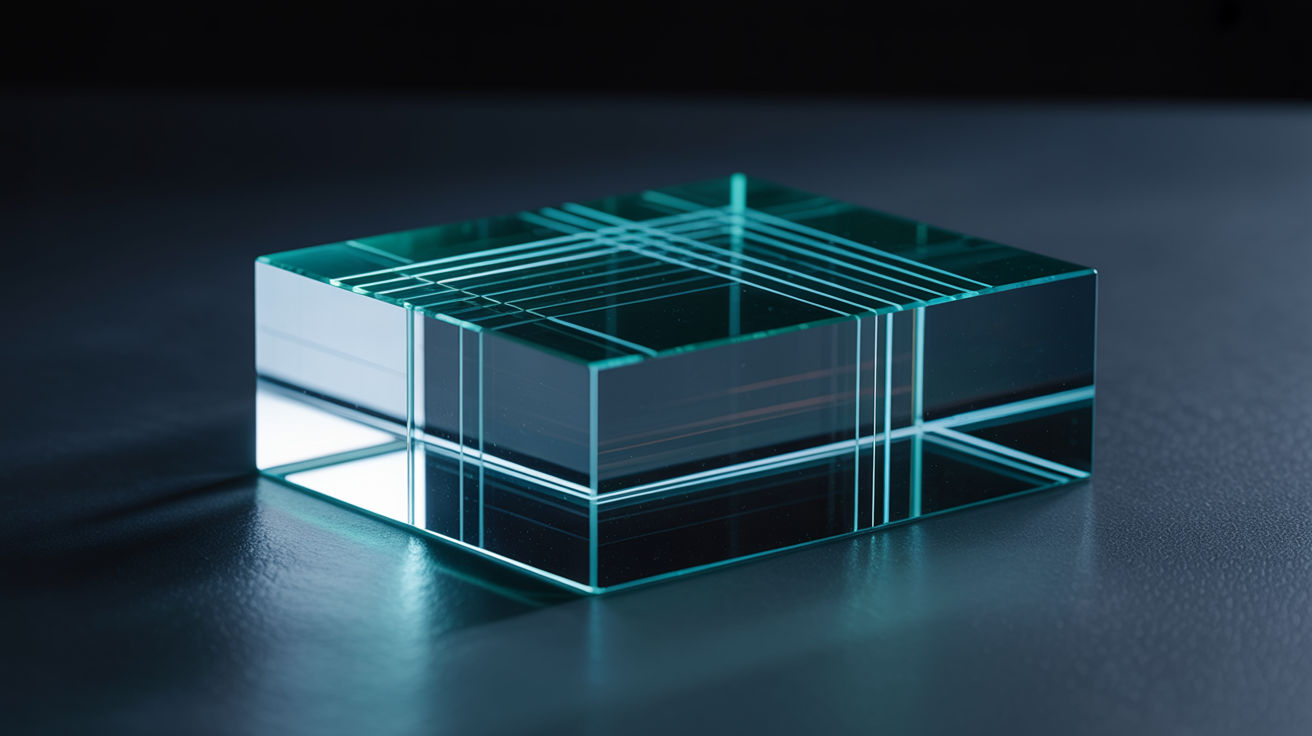
Non-Linear Sellmeier Dispersion in Hardware Raytracing
Implementing wavelength-dependent refractive index equations directly inside GPU intersection kernels.

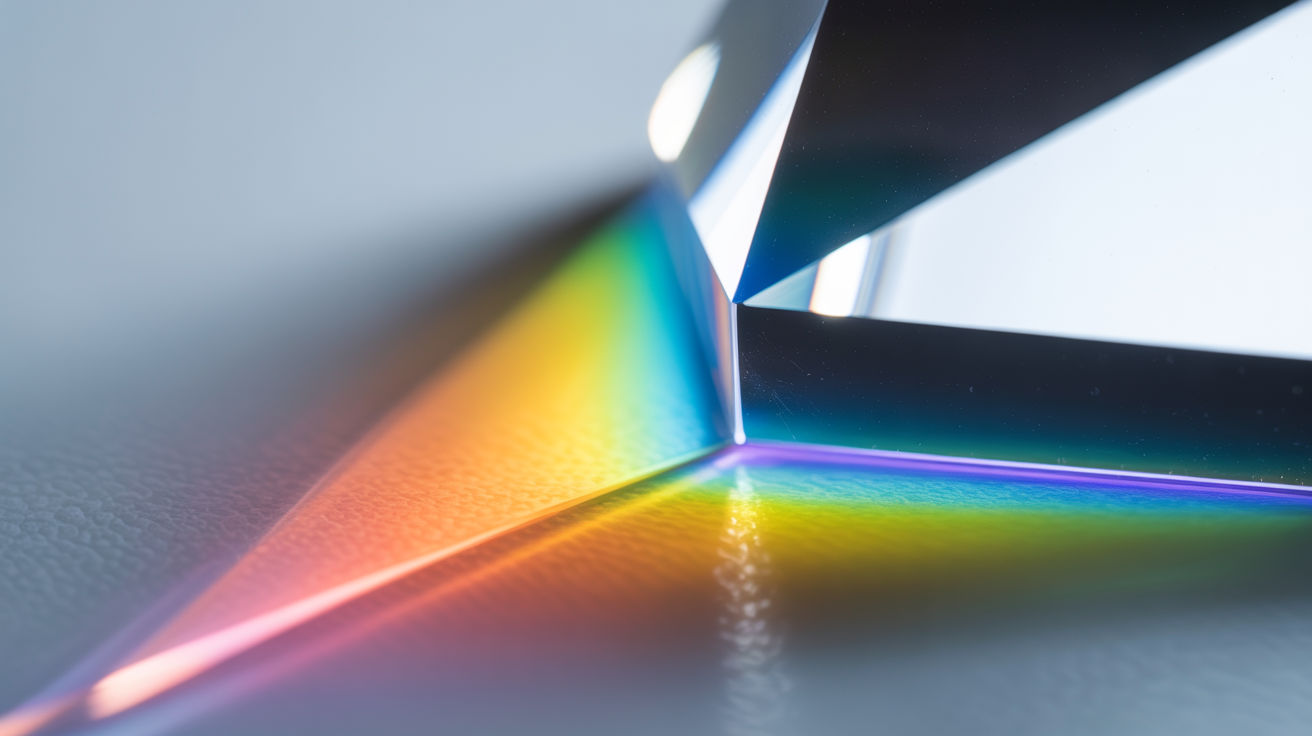
Newton’s Crucial Experiment Recomputed: Crown vs. Dense Flint Prisms
Re-evaluating historical dispersion geometry using contemporary electromagnetic wave propagation and wavefront analysis.

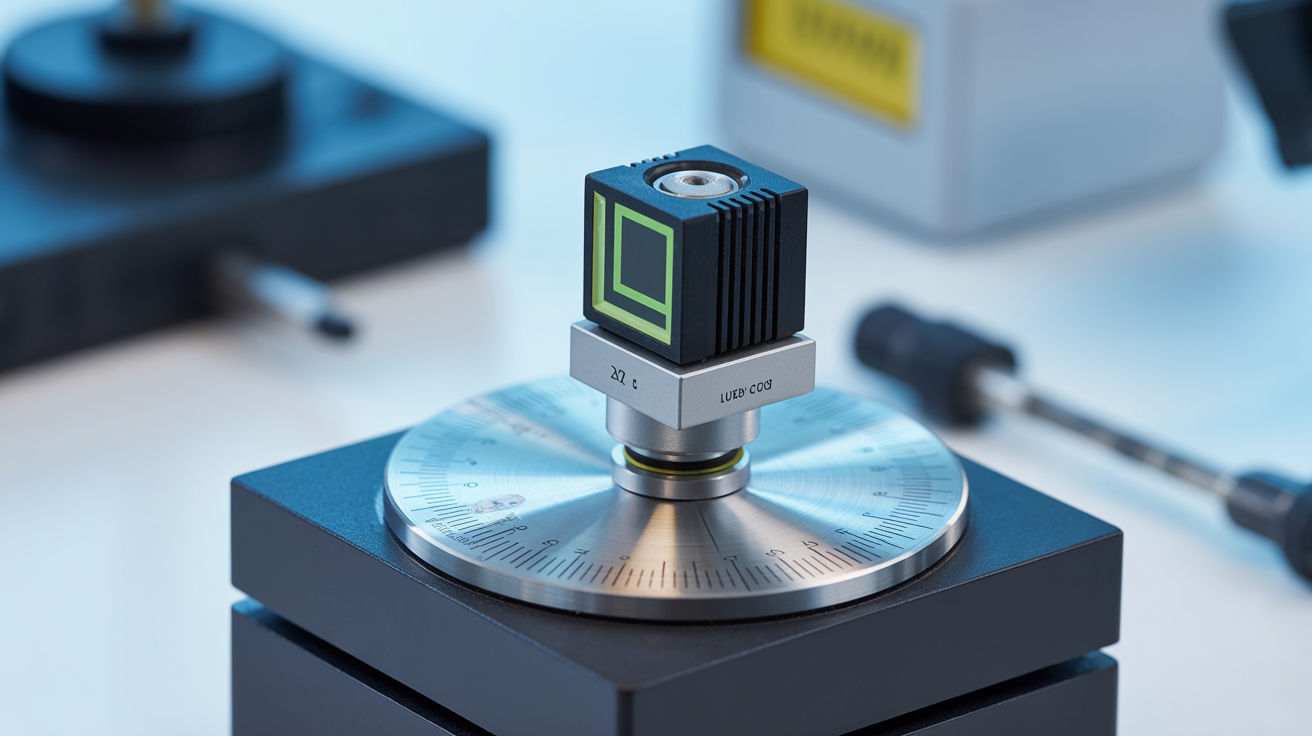
Absolute Photopic Luminance: Bridging Radiometry and Human Perception
How physical radiometric watts per steradian convert to perceptual candelas using the CIE 1931 photopic luminous efficiency curve.