Absolute Photopic Luminance: Bridging Radiometry and Human Perception
How physical radiometric watts per steradian convert to perceptual candelas using the CIE 1931 photopic luminous efficiency curve.

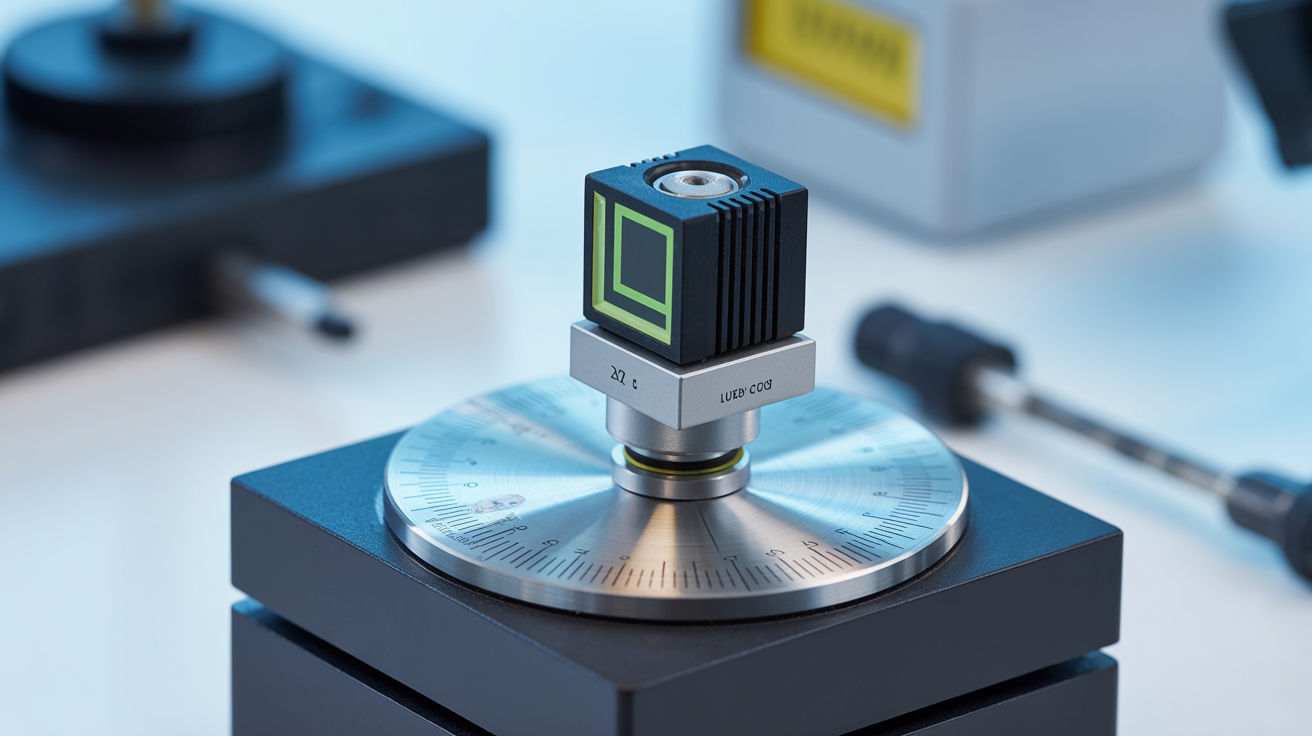
Physical sensors measure radiant energy in watts. Human eyes, however, possess retinal cone cells with highly wavelength-dependent spectral responsivities.
A laser emitting 1 watt of radiant power at 555 nm appears blindingly bright to a human observer, while a 1 watt laser at 400 nm (violet) or 720 nm (deep red) appears dim, and a 1 watt laser at 800 nm (infrared) is completely invisible.
The Photopic Luminous Efficiency Function V(\lambda)
In 1924, the Commission Internationale de l'Éclairage (CIE) standardized the photopic luminous efficiency function V(\lambda). It peaks at exactly 555 nm with a conversion factor of 683 lumens per watt:
\Phi_v = 683 \int_{380}^{780} \Phi_e(\lambda) V(\lambda) d\lambda
Where:
\Phi_e(\lambda)is spectral radiant flux in W/nmV(\lambda)is the dimensionless eye sensitivity curve\Phi_vis total luminous flux in lumens
export function computeLuminousFlux(spd: Float32Array): number {
  let totalLumens = 0;
  const K_M = 683.002; // lm/W at 555nm

  for (let i = 0; i < 81; i++) {
    const wavelength = 380 + i * 5;
    const vLambda = getVLambda(wavelength);
    const watts = spd[i] * 5; // bin width = 5nm
    totalLumens += watts * vLambda * K_M;
  }

  return totalLumens;
}
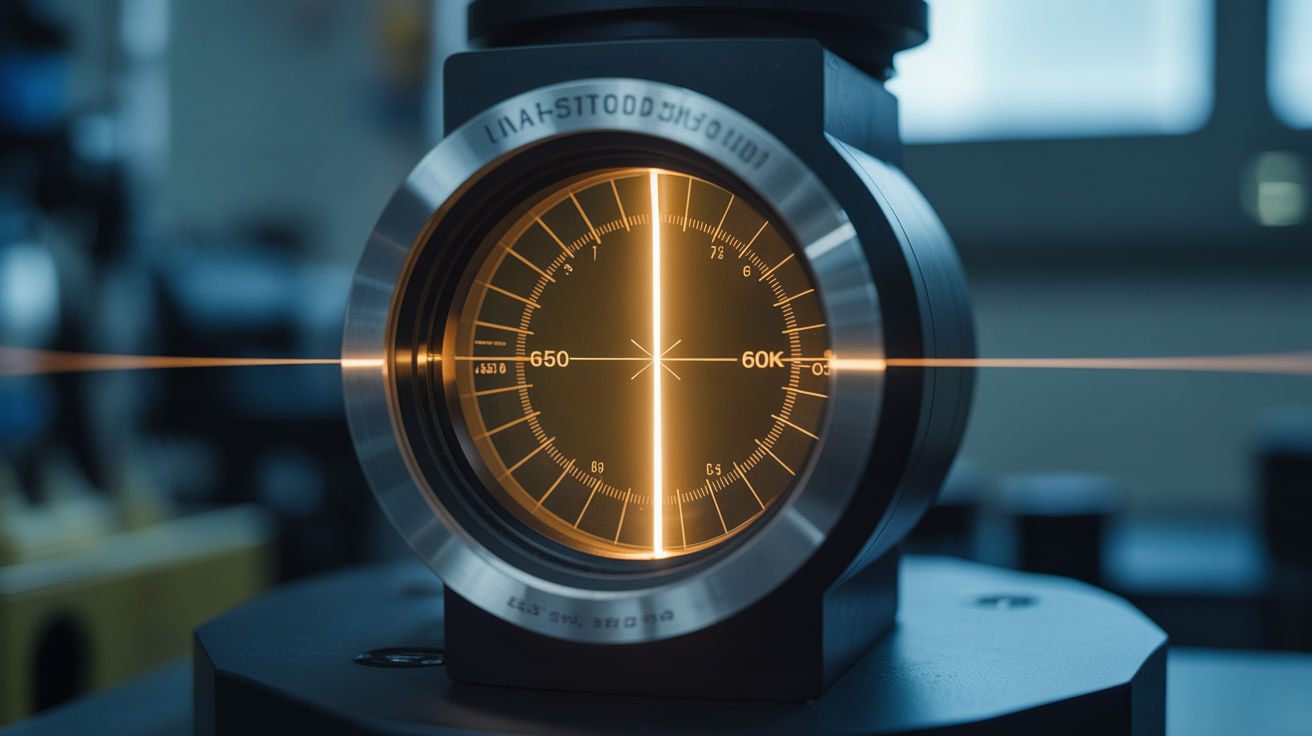
Beyond RGB Tristimulus: Continuous 6500K Solar Illuminant Simulation
Why three arbitrary RGB primaries inevitably fail physical light transport, and how 81-channel spectral power distributions solve metamerism.

Non-Linear Sellmeier Dispersion in Hardware Raytracing
Implementing wavelength-dependent refractive index equations directly inside GPU intersection kernels.

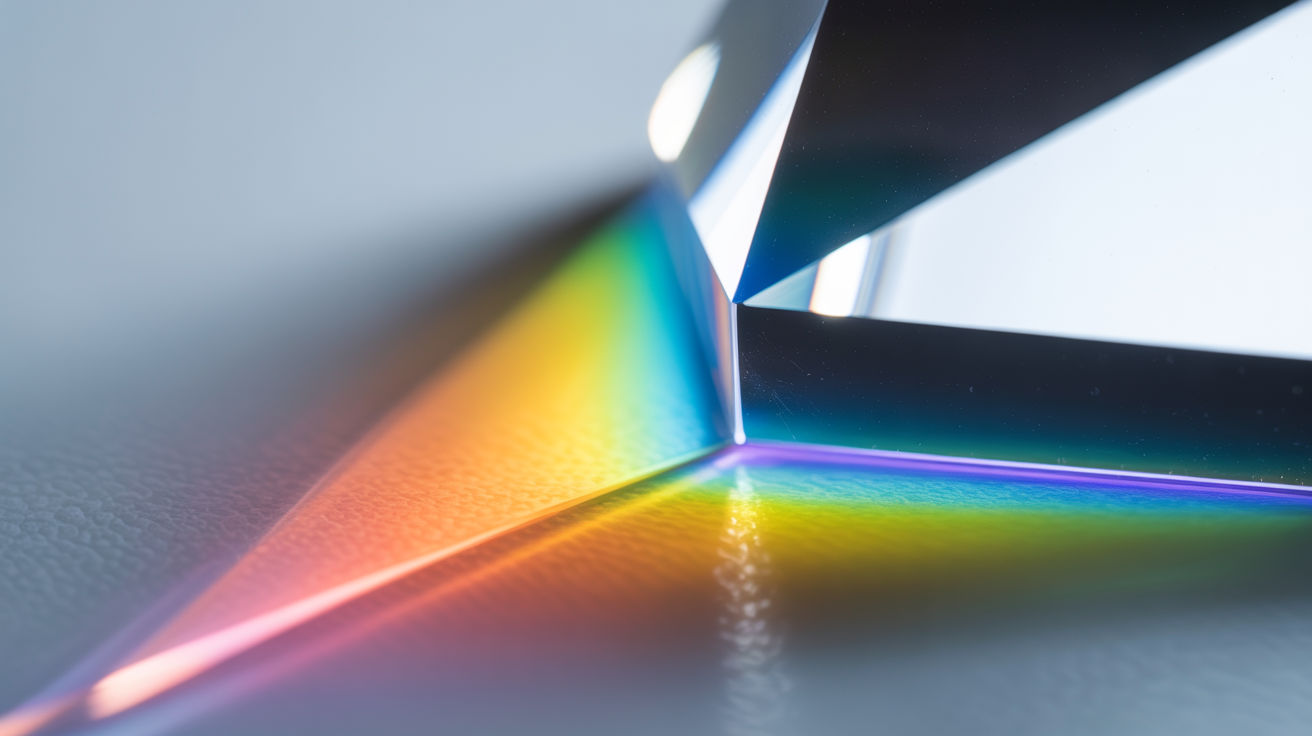
Newton’s Crucial Experiment Recomputed: Crown vs. Dense Flint Prisms
Re-evaluating historical dispersion geometry using contemporary electromagnetic wave propagation and wavefront analysis.