Aspheric Wavefronts and Zernike Polynomial Decompositions
Deconstructing optical phase distortions into orthogonal Zernike polynomials for precision aberration correction.

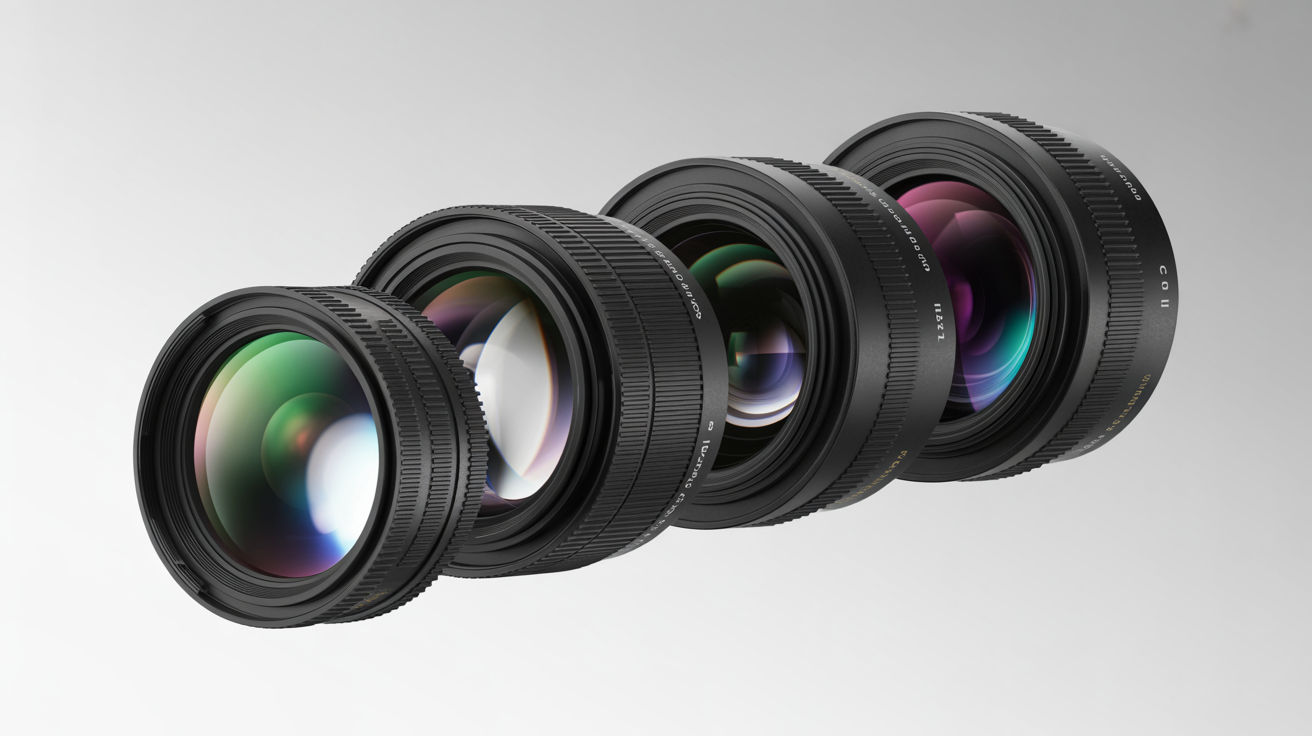
In ideal paraxial geometrical optics, all light rays originating from a point source converge onto a conjugate point focus. In real physical systems, however, spherical surfaces introduce phase retardations that deform the planar wavefront.
To model these aberrations mathematically without empirical guesswork, optical designers decompose the wavefront error W(\rho, \theta) over a circular pupil into a sum of orthogonal Zernike polynomials Z_n^m(\rho, \theta).
Classical Seidel vs. Zernike Terms
While third-order Seidel aberrations describe primary distortions (spherical, coma, astigmatism, field curvature, distortion), Zernike polynomials provide an orthogonal basis that accommodates higher-order diffraction effects:
| Term | Index | Name | Physical Effect |
| :--- | :--- | :--- | :--- |
| Z_2^0 | Defocus | Quadratic curvature along optical axis |
| Z_2^{\pm 2} | Primary Astigmatism | Asymmetric tangential vs sagittal focal shift |
| Z_3^{\pm 1} | Primary Coma | Flare trailing away from field center |
| Z_4^0 | Primary Spherical | Outer aperture rays focus shorter than paraxial |
pub fn evaluate_zernike(n: i32, m: i32, rho: f32, theta: f32) -> f32 {
    let r_nm = radial_polynomial(n, m.abs(), rho);
    if m >= 0 {
        r_nm * (m as f32 * theta).cos()
    } else {
        r_nm * ((-m) as f32 * theta).sin()
    }
}
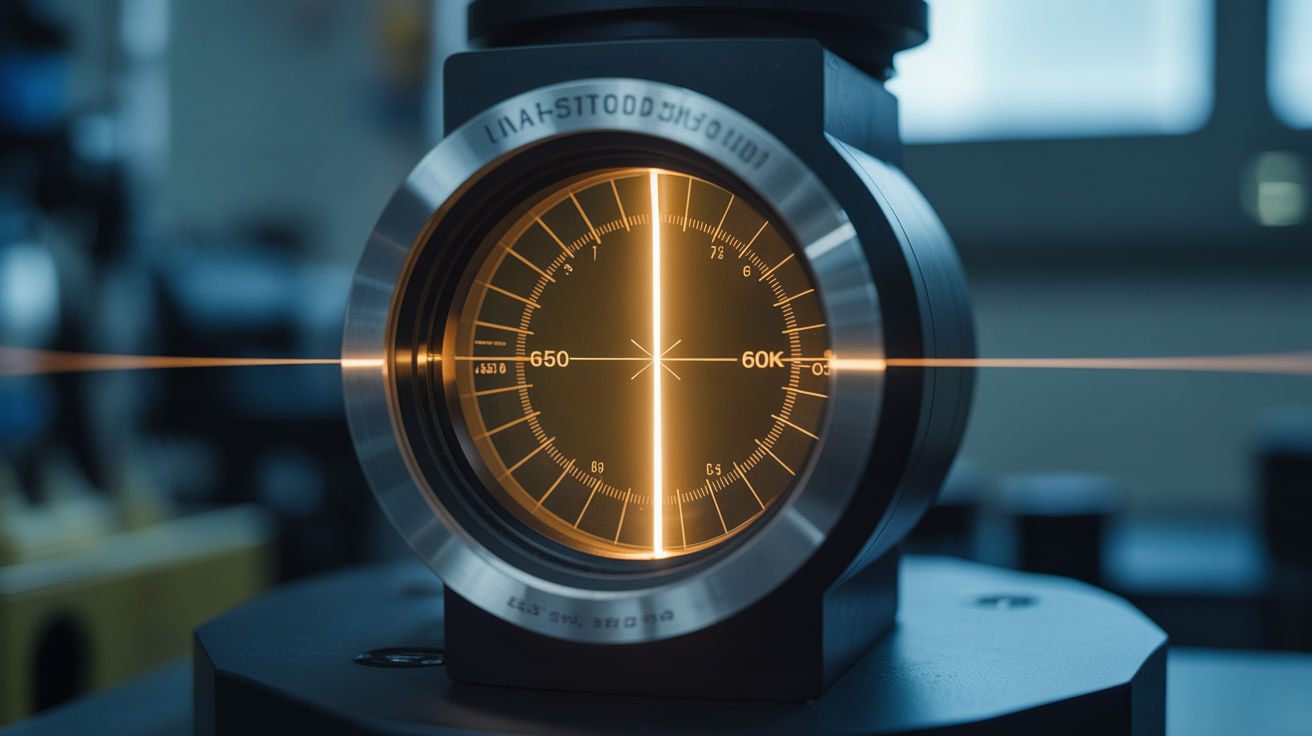
Beyond RGB Tristimulus: Continuous 6500K Solar Illuminant Simulation
Why three arbitrary RGB primaries inevitably fail physical light transport, and how 81-channel spectral power distributions solve metamerism.
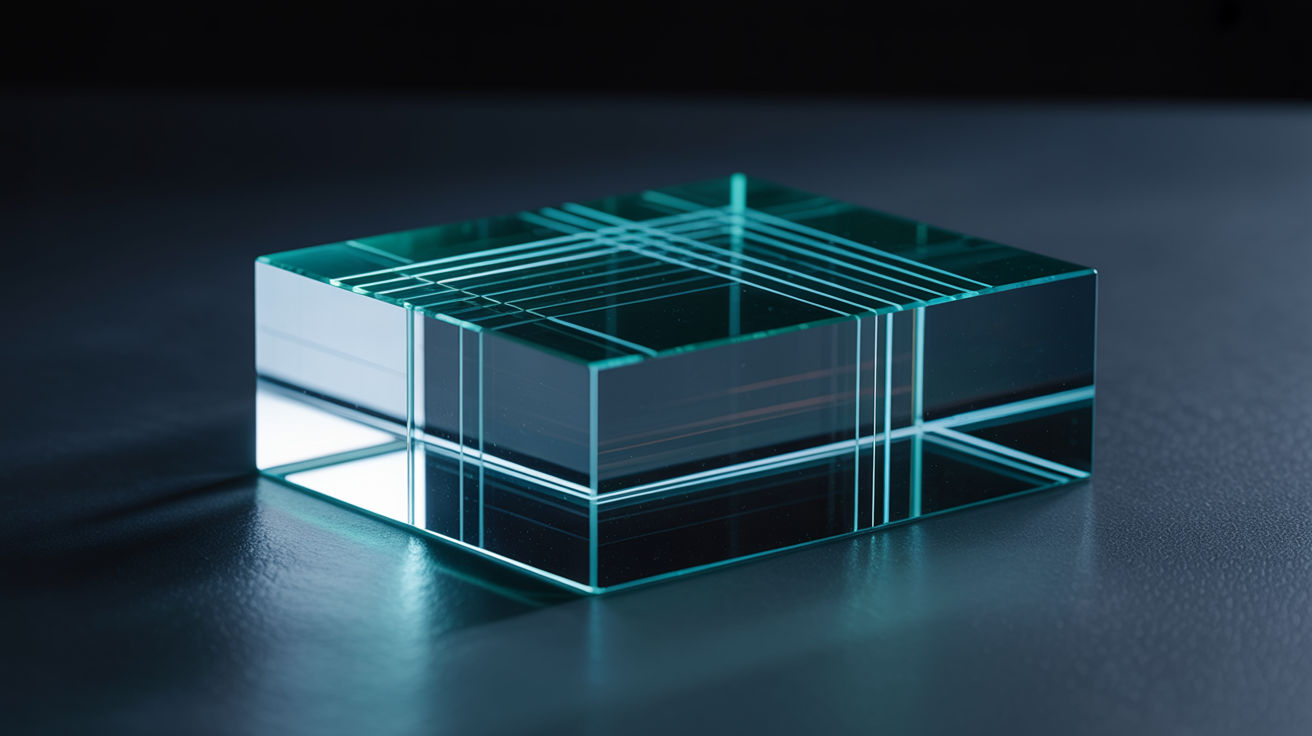
Non-Linear Sellmeier Dispersion in Hardware Raytracing
Implementing wavelength-dependent refractive index equations directly inside GPU intersection kernels.

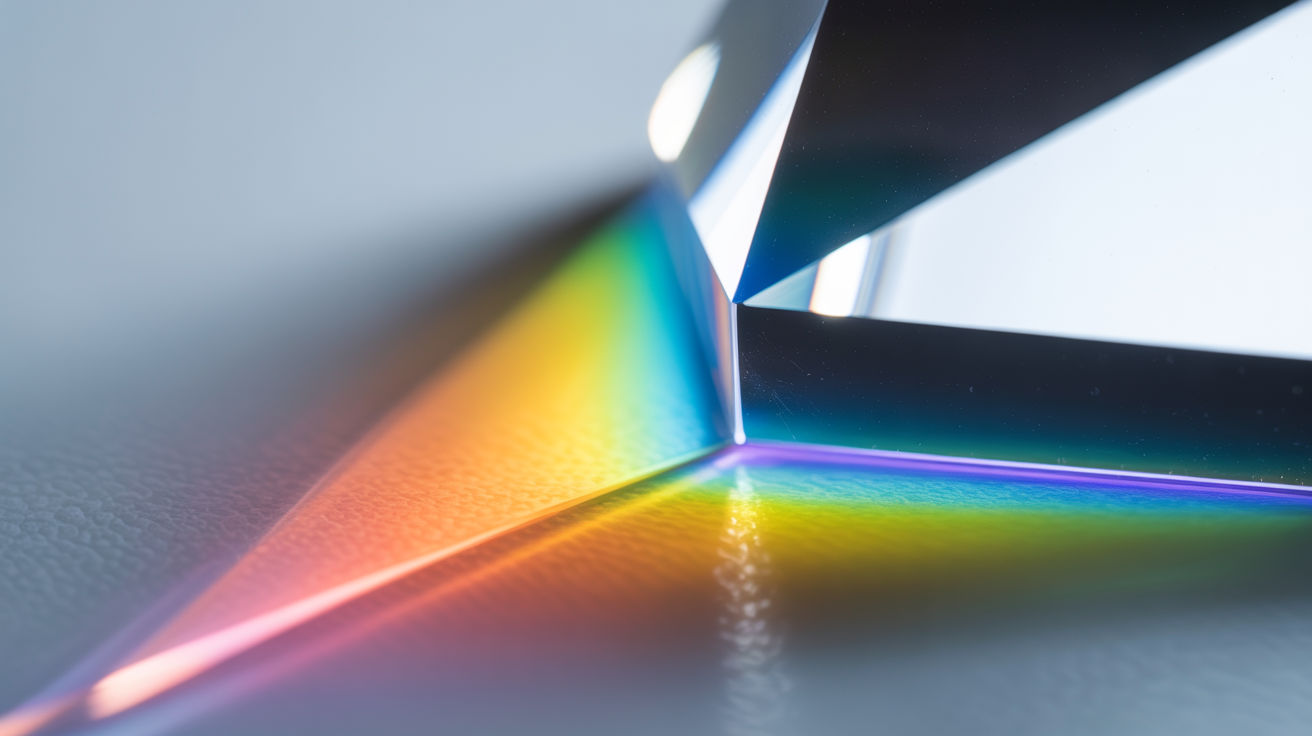
Newton’s Crucial Experiment Recomputed: Crown vs. Dense Flint Prisms
Re-evaluating historical dispersion geometry using contemporary electromagnetic wave propagation and wavefront analysis.