Optical Breadboard Alignment: Sub-Milliradian Laser Collimation
Techniques for achieving beam parallelization and mounting stability on vibration-isolated optical benches.

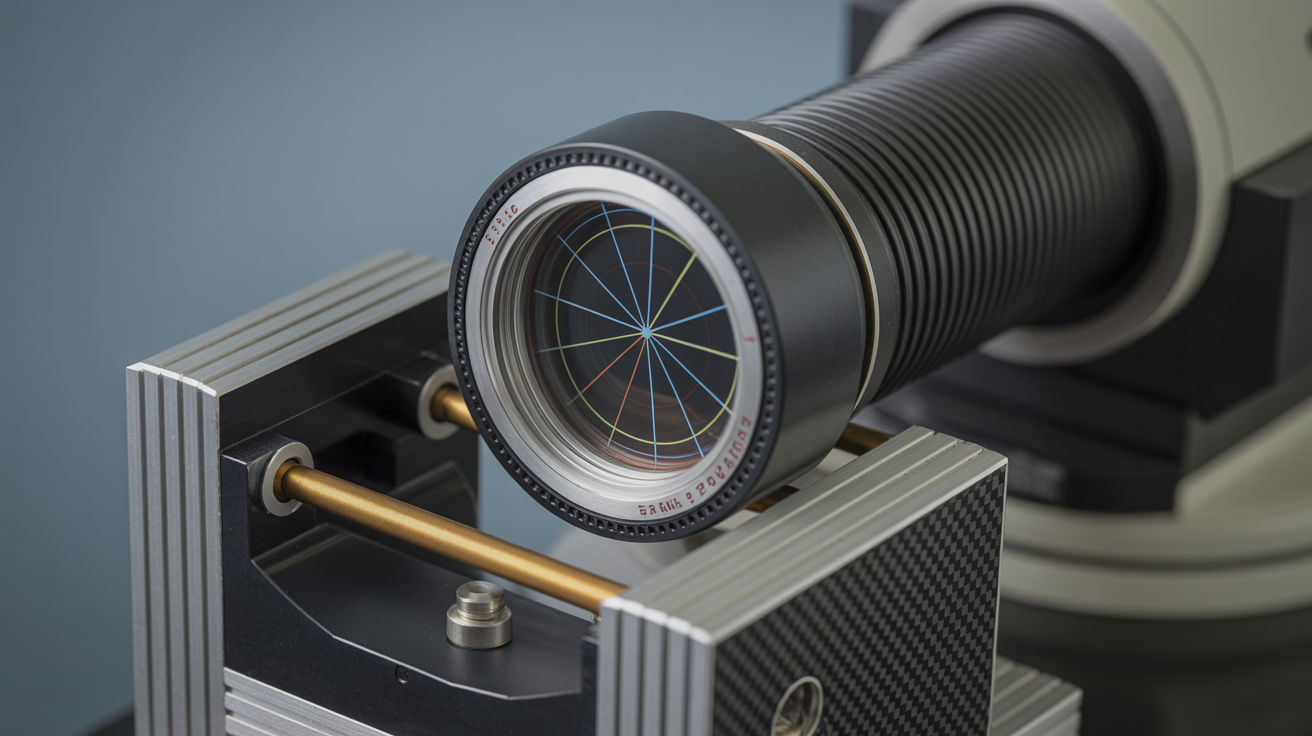
Before any spectral measurement can be recorded, the incident beam must be parallelized into a collimated wavefront. A diverging or converging ray cone invalidates the angle of incidence assumptions required by grating spectrometers and prism benches.
The Shear Plate Interferometer
To verify beam parallelism in the laboratory, engineers employ a shear plate interferometer: a wedge of high-quality optical flat that introduces a lateral shear between front and back surface reflections.
When a collimated beam strikes the wedge:
- If the beam is perfectly collimated, interference fringes orient exactly parallel to the fiducial wire.
- If the beam diverges or converges, fringes tilt clockwise or counter-clockwise at angle
\alpha.
export interface CollimatorAlignment {
  beamDiameterMm: number;
  divergenceMrad: number;
  shearAngleDeg: number;
  residualErrorRms: number;
}
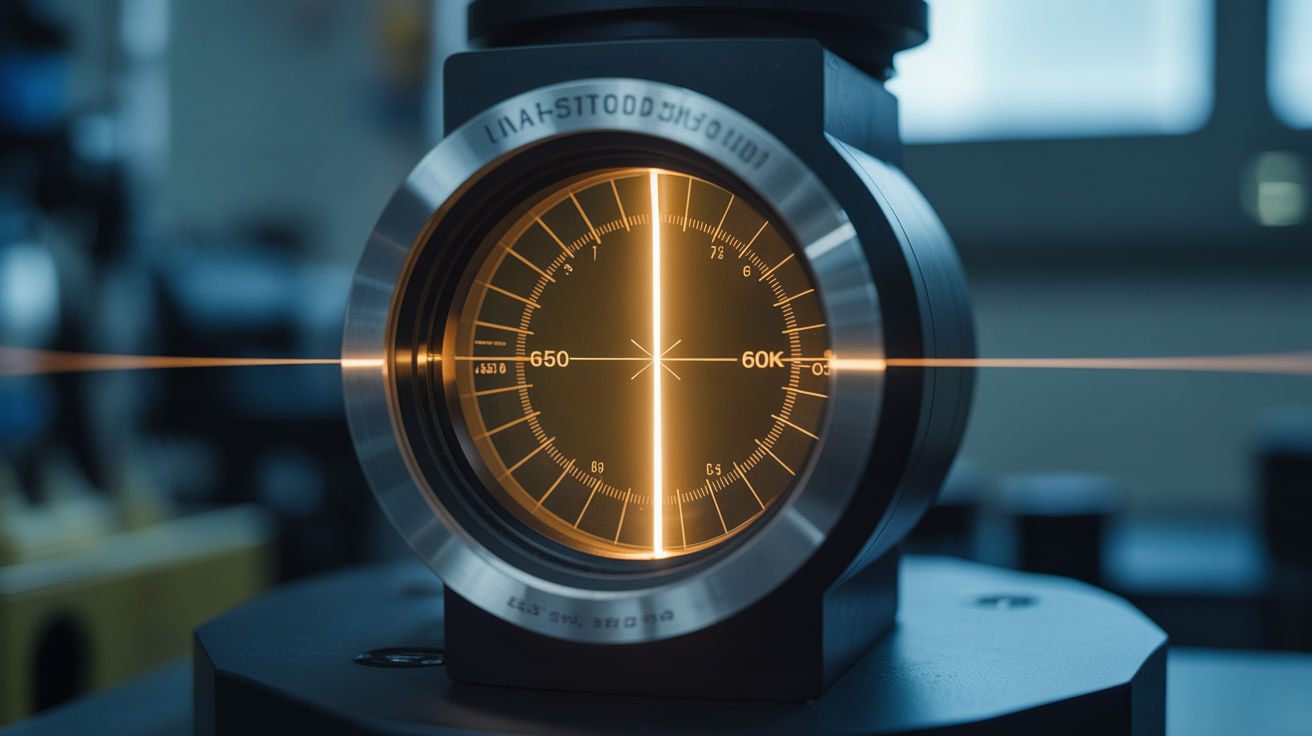
Beyond RGB Tristimulus: Continuous 6500K Solar Illuminant Simulation
Why three arbitrary RGB primaries inevitably fail physical light transport, and how 81-channel spectral power distributions solve metamerism.

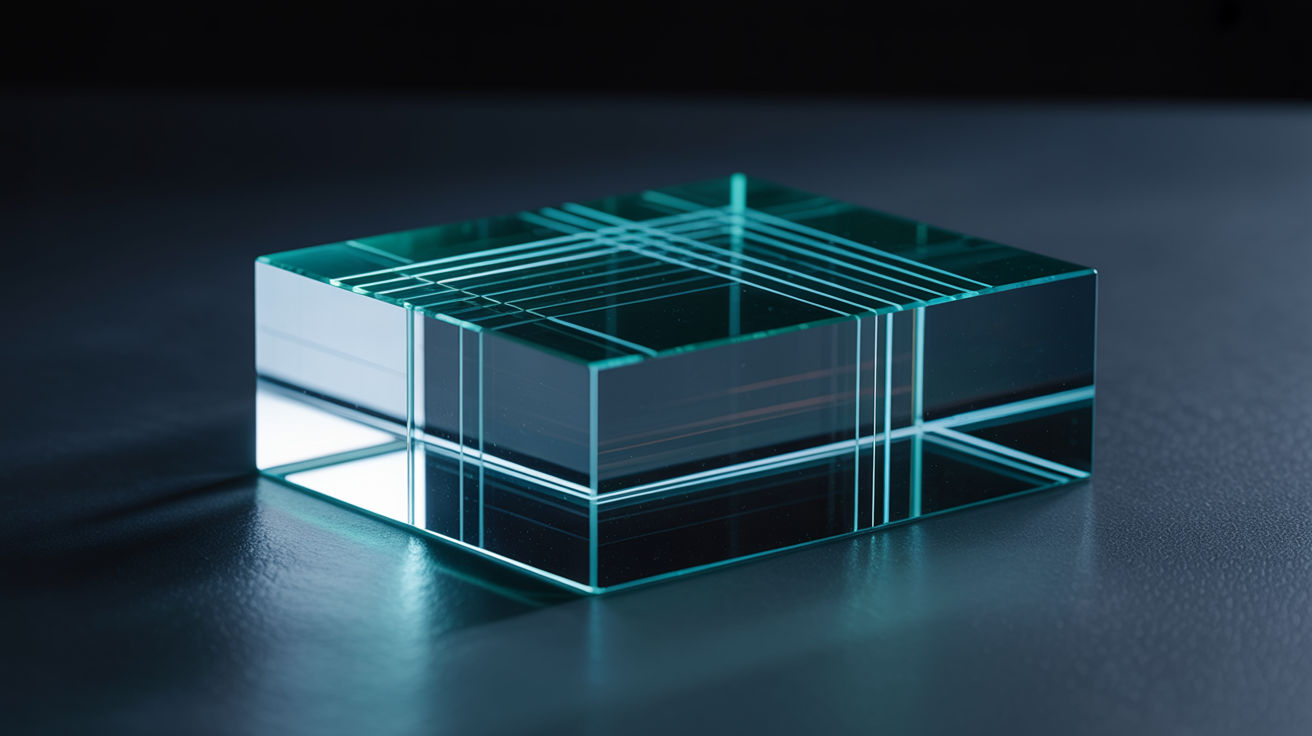
Non-Linear Sellmeier Dispersion in Hardware Raytracing
Implementing wavelength-dependent refractive index equations directly inside GPU intersection kernels.

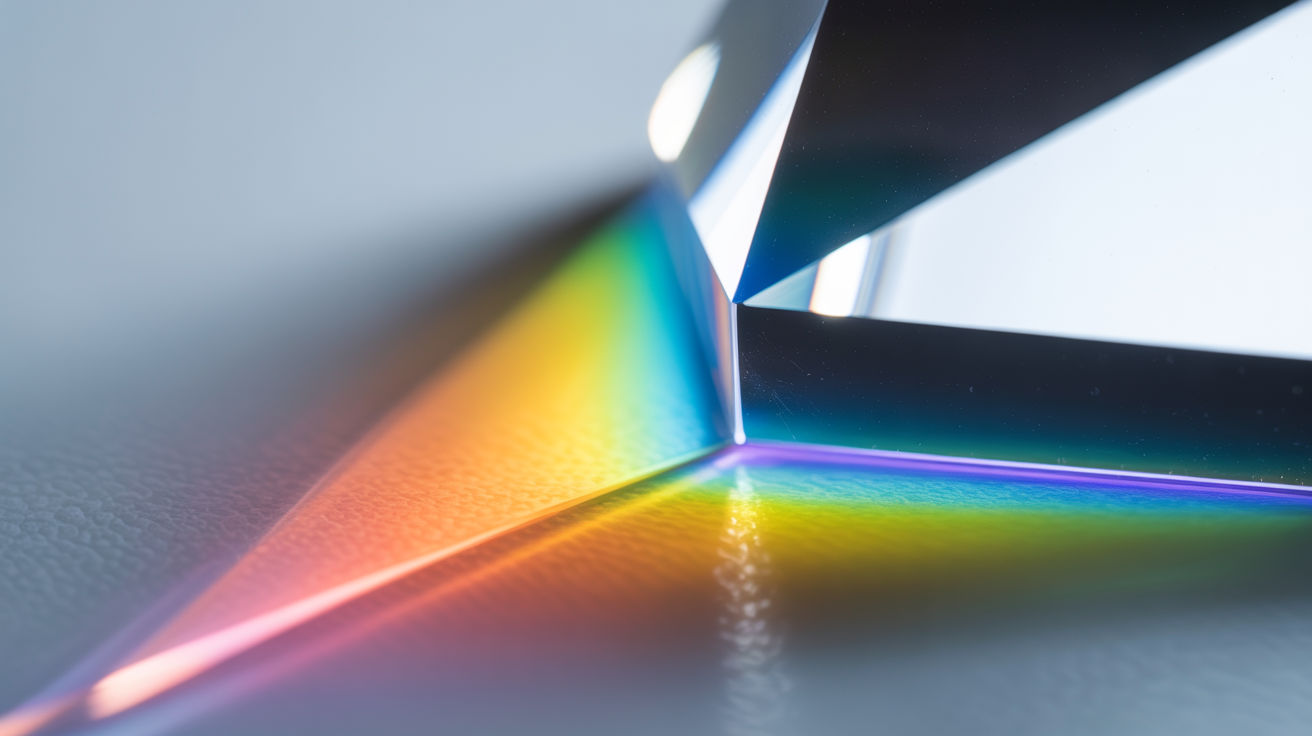
Newton’s Crucial Experiment Recomputed: Crown vs. Dense Flint Prisms
Re-evaluating historical dispersion geometry using contemporary electromagnetic wave propagation and wavefront analysis.